Restorative
Implant Dentistry
Dental implants offer a permanent, natural-looking solution to restore your smile and transform your life — artificial tooth roots that fuse with the bone for lasting stability.

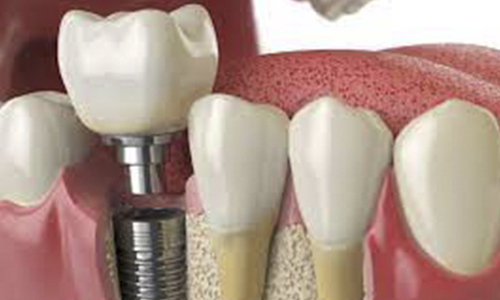
Dental implants are artificial tooth roots inserted into the jawbone to support replacement teeth. They provide a durable, natural-looking solution for missing teeth — fusing with the bone over time to provide stability and prevent bone loss.
Why you might need implants
- One or more missing teeth
- Uncomfortable or loose-fitting dentures
- Difficulty chewing or speaking due to tooth loss
- A desire for a permanent, long-lasting solution
What to expect from treatment
- Initial consultation and assessment
- Implant placement surgery
- Healing and osseointegration (3–6 months)
- Abutment and crown placement
Why choose dental implants
Improve your appearance
Implants can give you back the smile you’ve lost or always wanted, boosting self-confidence so you never feel embarrassed while talking, smiling or laughing.
Eat the foods you enjoy
With implants you can confidently enjoy lettuce, apples, steak and even corn on the cob.
A permanent solution that preserves bone
Only an implant permanently replaces the root of a missing tooth. Without it, bone loss occurs. Unlike a traditional bridge, implants don’t require grinding down two healthy teeth — and they help prevent the facial sagging that follows tooth loss.
Are you a candidate?
Healthy gums and bone are crucial for dental implants. During your consultation we’ll assess whether you’re an ideal candidate, looking at your oral health and hygiene, any chronic illness, smoking, and the location of nerves in the jaw.
Implants vs dentures
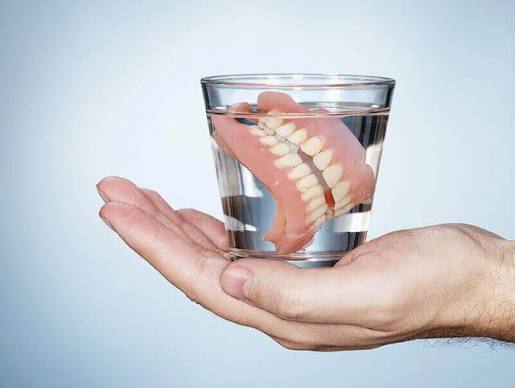
Dentures are more affordable than implants, but they have a shorter lifespan, are removable and can be damaged more easily. Implants are permanent, far more convenient and offer long-lasting results (20–30 years).
Frequently asked questions
What is a dental implant?
An implant replaces the root portion of a missing natural tooth. It is crafted from surgical-grade titanium alloy (Ti-6Al-4V) and placed into the jawbone. After two to four months of healing it integrates with the bone, becoming a secure anchor for a replacement tooth or prosthesis.
Am I a candidate for an implant?
If you are missing one or more teeth, you may well be a candidate. Implants let you smile, speak and eat with confidence and comfort.
Can an implant replace root canal treatment?
Yes. Not all teeth are suitable for root canal treatment, and treated teeth remain prone to decay and fracture. Implants don’t decay and are highly unlikely to break — often a sensible alternative.
Could my body reject the implant?
The implant is made from biocompatible titanium alloy. There is a slight chance it may not integrate with the bone; if so it is simply replaced, and a second implant is highly unlikely to fail.
What if I smoke?
Smoking can impede healing, but it doesn’t prevent smokers from successfully having implants placed and restored. Speak to your dentist for advice specific to you.
How much discomfort will I feel?
Usually managed with over-the-counter painkillers.
How long does the procedure take?
Placing a single implant usually takes under an hour under local anaesthetic. The implant then heals with the bone for at least eight weeks; cases needing bone grafting can take up to nine months.
How do I maintain my implant?
Simply brush and floss it as if it were a natural tooth.